Friend of the Earth represents a group of Certification Standards for sustainable products and services.
The first Friend of the Earth certification standard was launched in 2016 by the World Sustainability Organization, an International NGO whose mission is the promotion of sustainable practices among companies, consumers and the general public.
From the initial certification standard for products from Sustainable Agriculture and Farming,
developed in line with FAO SAFA principles, several other standards have been developed.
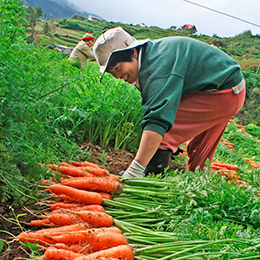
Friend of the Earth sustainability certification standards have witnessed a growing global interest. Currently, over 5,000 farms, involving around 50,000 farmers, with a total production value exceeding 1.5 billion euros, have been certified by Friend of the Earth. The certification covers more than 35 agriculture and farming products, including fruit, vegetables, dairy, eggs, poultry, and meat.
Friend of the Earth Sustainable Fashion standard is endorsed by over 50 fashion brands from four continents and was mentioned on major fashion media.
Other certification standards have been developed for Sustainable Sport, Events, Tourism Operators, Nutraceutical Products, Mining and Jewels.
Friend of the Earth is a third-party independent certification, endorsed by national accreditation bodies. It is one of the few certifications which can potentially certify products and services from any industry and sector. Reliable and affordable, the certification allows consumers to make responsible choices and motivates producers to implement sustainable practices.
AGENDA 2030
Friend of the Earth and the World Sustainability Organization Align with Agenda 2030 and Sustainable Development Goals
The World Sustainability Organization (WSO) has undergone the Sustainable Development Goals (SGD) Impact Assessment which confirmed the organization’s full alignment with Agenda 2030 and its 17 sustainable development goals (SDGs). The Assessment concluded that WSO is creating a positive direct impact on 12 SDGs (1, 2, 4, 6, 7, 8, 9, 11, 14 & 15) and contributing indirectly to the remaining five (3, 5, 10, 13 & 16).
The SDG Impact Assessment covers all areas of Sustainability and provides a better understanding of how to be better equipped to prioritise actions ahead. Adherence to each SDG has been classified into the following categories: direct positive, indirect positive, no impact, direct negative, indirect negative and more knowledge needed.

Media Kit
Download here all the informative, technical and marketing documents on Friend of the Earth.
Certification of products from Sustainable Agriculture and Farming
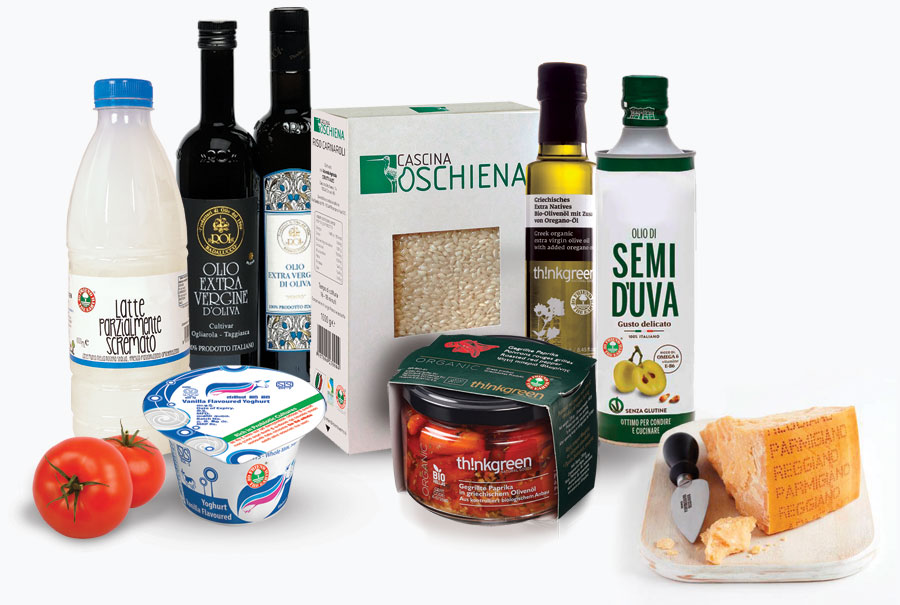
The Friend of the Earth logo on a product guarantees:
- Safeguarding of the ecosystem
- Protection of wild fauna and flora
- Protection of soil and water resources
- Prohibition of the use of dangerous substances
- Responsible waste and energy management
- Social responsibility of the whole chain
- Legal compliance