
Save the Elephants Campaign
Your Support is important
Sign Our Petition!
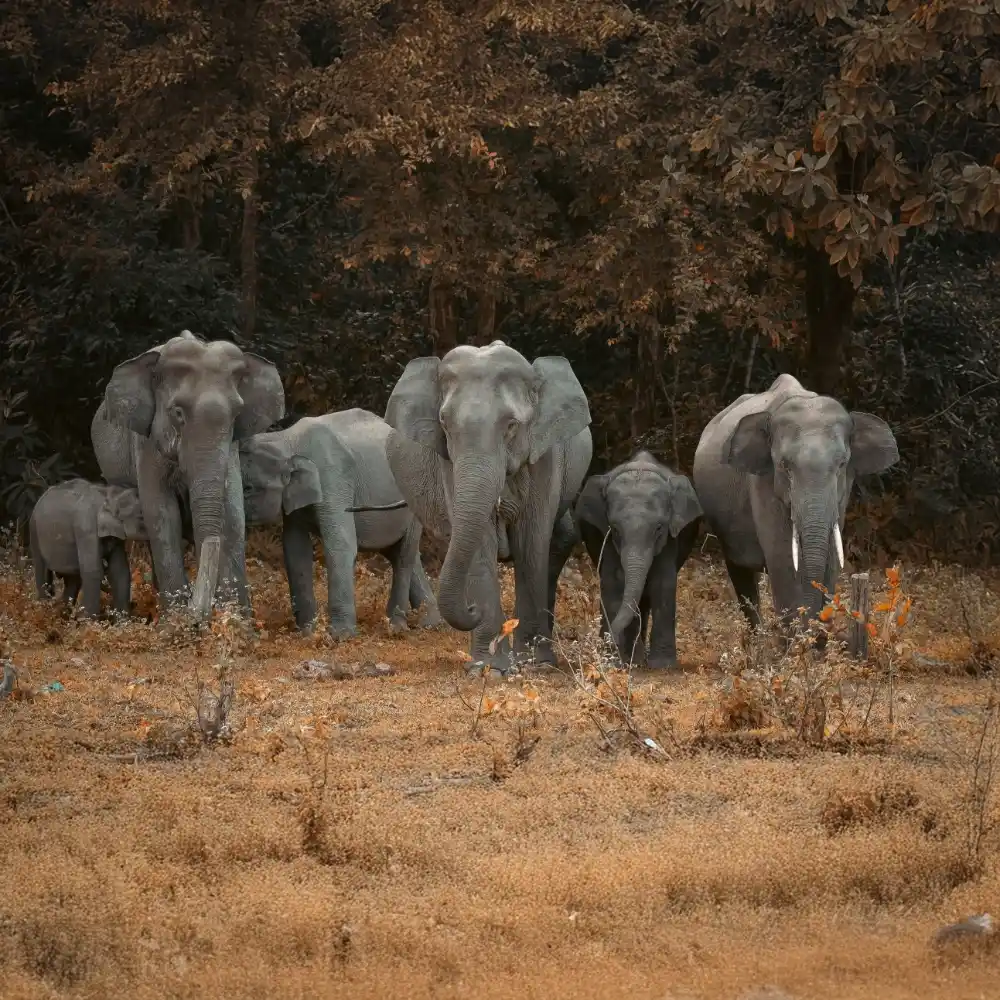
Once widely distributed through the Savannah and the tropical rainforest habitats in Asia, elephants are the world’s largest land animals. Among them, the African elephants are the largest, weighing up to ten tons, while the Asian elephants aren’t much smaller, weighing up to five tons. These huge mammals are instantly recognizable thanks not only to their size, but also their long trunks, large ears, and protruding tusks.
The problem
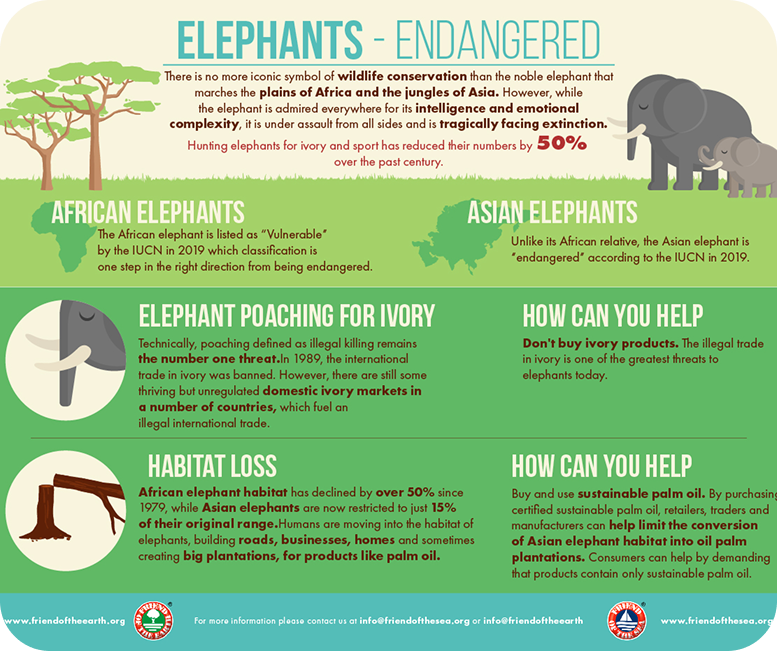
Elephants, once numbering 10 million in the nineteenth century, drastically declined due to the ivory rush, leaving just over 400 thousand individuals globally. Recent years have seen elephants facing threats from poaching, trophy hunting, poisoning, conflict with local populations, and habitat fragmentation due to agriculture and infrastructure development.
CITES proposed closing domestic ivory markets, including China’s, but this led to the displacement of the ivory black market to neighbouring countries with unregulated trade. Despite opposition from various countries, tons of confiscated tusks have been destroyed, yet corruption persists.
Tourism exacerbates the decline, as agencies in Asia still allow elephant rides, further harming their mental state and hindering reintroduction efforts.
Enviromental consequences
Constant studies by zoologist Paul Allen, a member of the Elephant IUCN Specialist Group, highlight the generally stable or even increasing populations of African elephants. However, they remain threatened by poaching, habitat destruction, and human-wildlife conflict.
Asian elephants, listed as Endangered by the IUCN, continue to decline primarily due to habitat loss and human-wildlife conflict.
Elephants play a crucial role as ecosystem engineers, significantly influencing habitats by knocking down trees for food, digging water holes, improving soil condition, and dispersing seeds. The extinction of African or Asian elephants would have severe environmental consequences, affecting numerous species of flora and fauna.
Possible solutions
Elephants, a conservation focus for decades, especially African ones, have seen progress. However, evolving threats require new protection strategies. Collaborating with governments and NGOs, efforts aim to curb habitat loss. Recent initiatives target human-elephant conflict reduction with innovative crop protection methods and outreach programs for conservation education.
WSF’s Activities and Initiatives
The World Sustainability Foundation’s Friend of the Earth project provides financial support for the Game Rangers International (GRI), a non-profit organization established in Zambia in 2008. Its mission is to empower rangers and local communities to conserve nature thanks to numerous programs. One of these is focused on the Elephant Nursery in Lusaka where orphan elephants, whose mothers have been poached, are rehabilitated.
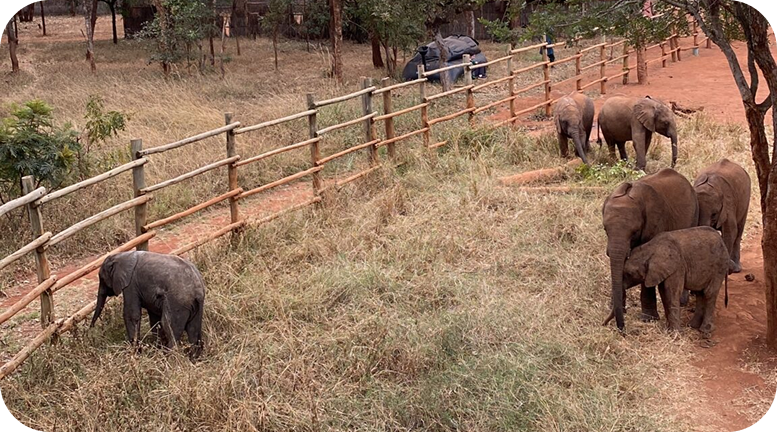

By raising funds and awareness, we are helping GRI to support rangers involved in anti-poaching activities and training to improve their conservation skills, and also the entire elephant conservation program. Our collaboration will help maintain the necessary expenses at the Elephant Nursery, thus facilitating the release process of all orphans in Kafue National Park.
Call to action
- Help conserve Earth’s elephants in their increasingly fragmented habitats.
- Choose only Friend of the Earth certified products.
- Sign Friend of the Earth petition on Change.org
- Donate to Friend of the Earth for elephants’ conservation.
- Be sure to get involved with World Elephant Day on 12th of August!
References:
- Treccani: https://www.treccani.it/enciclopedia/elefante/
- IUCN: https://www.iucn.org/news/species/202103/african-elephant-species-now-endangered-and-critically-endangered-iucn-red-list
- David Shepherd Wildlife Foundation: https://davidshepherd.org/elephants/threats-to-elephants/
- TRAFFIC: https://www-traffic-org.translate.goog/what-we-do/perspectives/the-ivory-trade/?_x_tr_sl=en&_x_tr_tl=it&_x_tr_hl=it&_x_tr_pto=sc
- Wildlife SOS: https://wildlifesos.org/chronological-news/the-dark-side-of-elephant-tourism/
- Paul Allen: https://paulallen.com/Exploration/Great-Elephant-Census.aspx
- IUCN: https://www.iucnredlist.org/species/7140/45818198
- Journal of Mammalogy: https://academic.oup.com/jmammal/article/98/3/603/3855617
- WCS: https://www.wcs.org/our-work/wildlife/elephants