
Save the snails campaign
Your Support is important
A pioneering project for the conservation of two species of endemic snails in Tuscany.
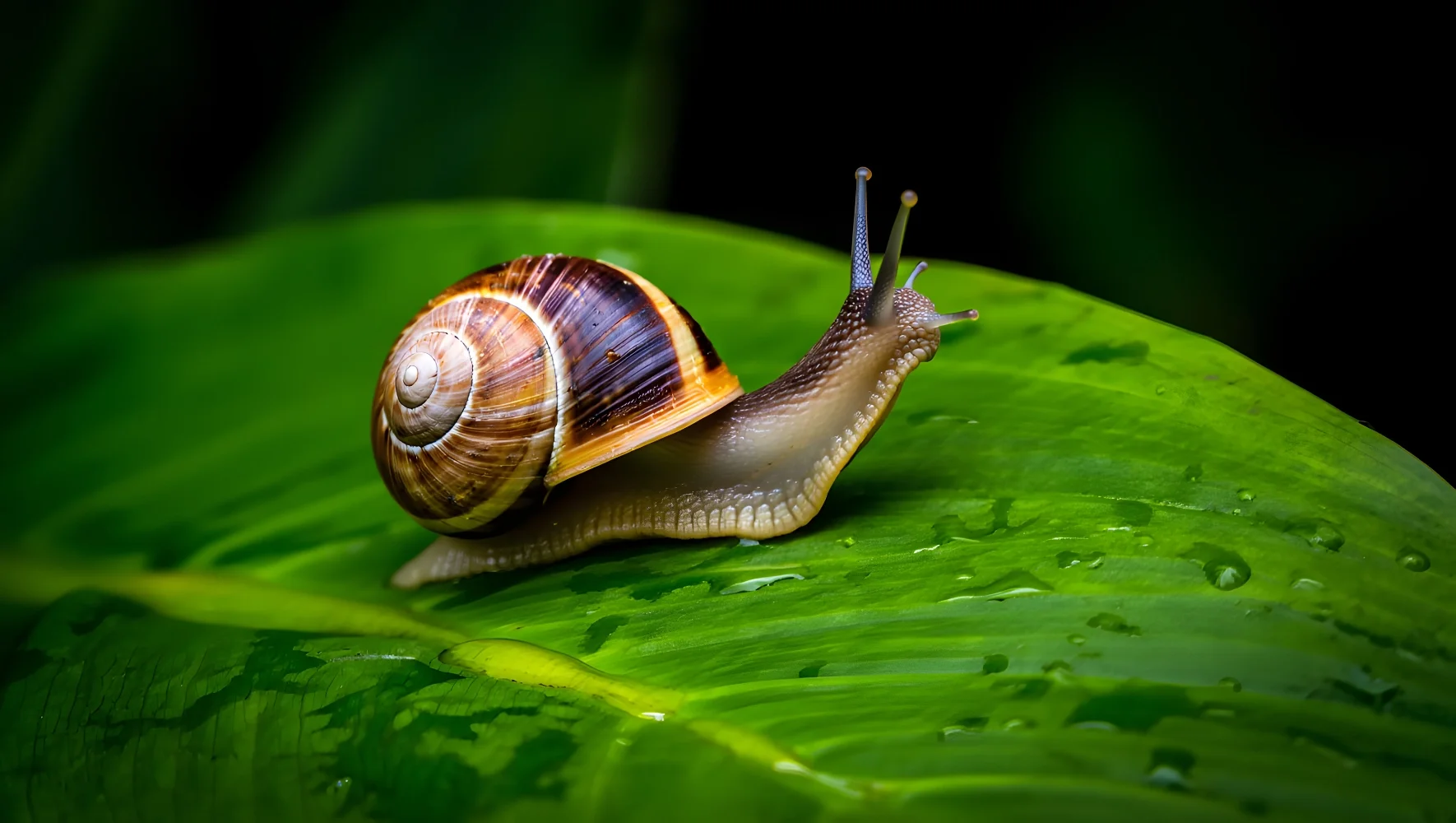
In the animal kingdom, molluscs rank second in size after arthropods, boasting around 100,000 species including both foesil and living varieties. Snails, part of the lunged gastropods group, are terrestrial molluscs with lungs instead of gills, enabling them to thrive in air environments.
Like many other species, snails face numerous threats from human activities such as pesticide use, urbanisation, river bank regimentation, water extraction, and introduction of alien species, leading to habitat destruction. Natural disasters, climate change, and commercial collection further compound the challenges.
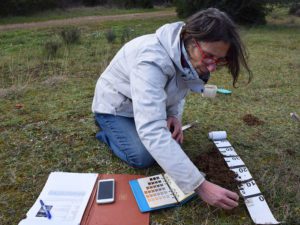
Friend of the Earth, in collaboration with the “La Specola” Florence University Natural History Museum, initiated a three-year research project to study, protect, and conserve two endangered mollusc species endemic to Tuscany: Melanopsis etrusca and Xerosecta giustii.
The species
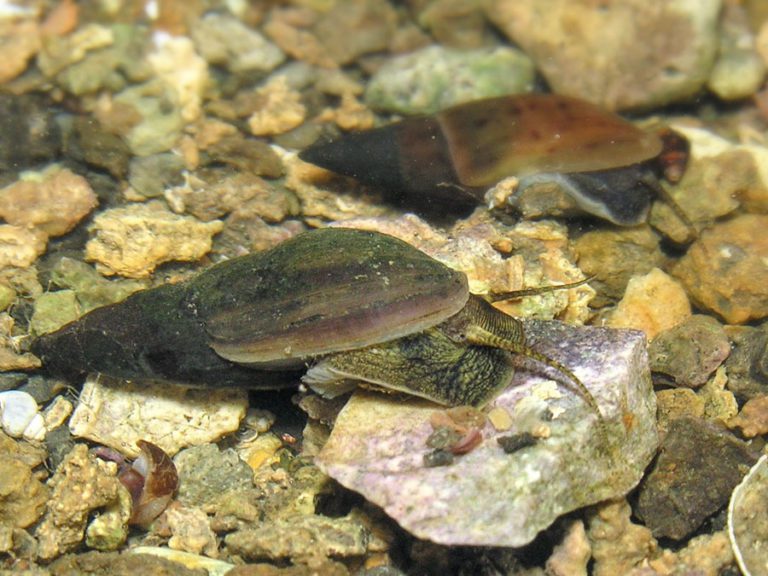
Melanopsis etrusca:
Melanopsis etrusca is a freshwater gastropod found in thermal spring waters in the Tuscan Maremma. It is about 12mm in length, with aspects of its life cycle still unknown, such as reproduction type. Due to its unique habitat and declining distribution, this species is protected regionally and classified as “Endangered” by the IUCN.
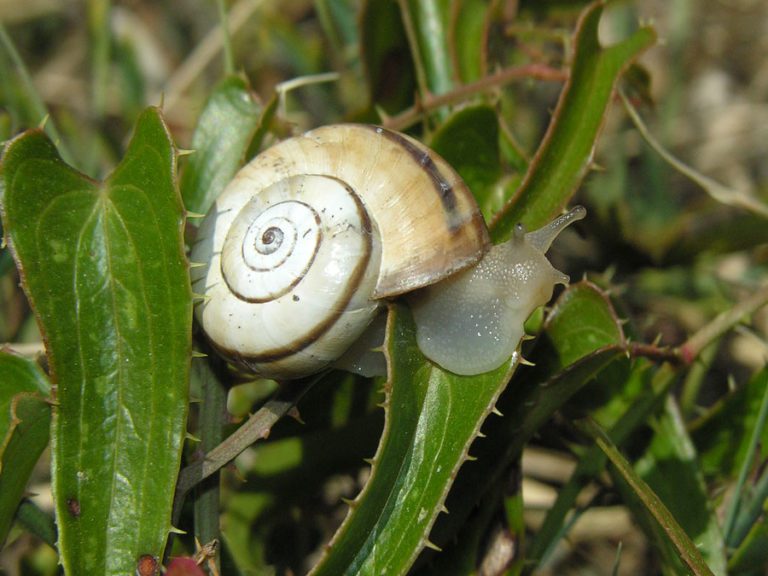
Xerosecta giustii:
Xerosecta giustii is a medium-sized terrestrial pulmonate found in shrublands in the Metallifera hills. Limited to a very small area, it is considered extremely rare and is listed as “Critically Endangered” on the IUCN Red List.
THE PROJECT
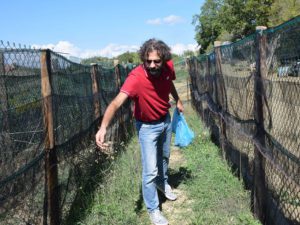
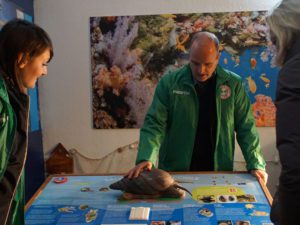
The project focuses on improving natural sites and breeding endangered snail species ex situ for eventual release into the wild. Farms were set up in Massa Marittima and Campagnatico to recreate ideal habitats. The initiative involves collaboration with international experts and aims to raise awareness about biodiversity protection. Italy hosts several endangered snail species according to the IUCN’s red lists.