
Save the wetlands
Your Support is important
Sign Our Petition!
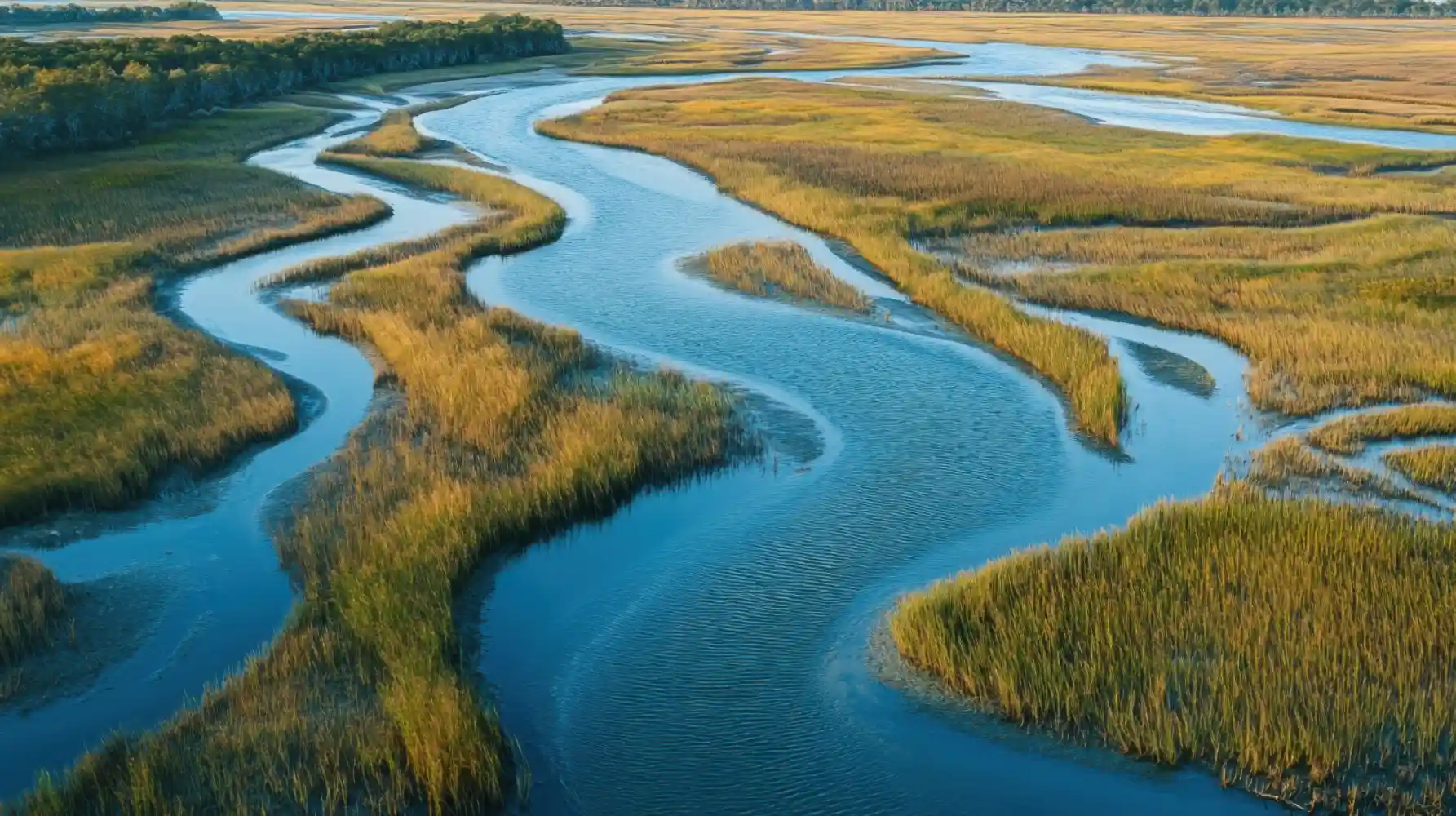
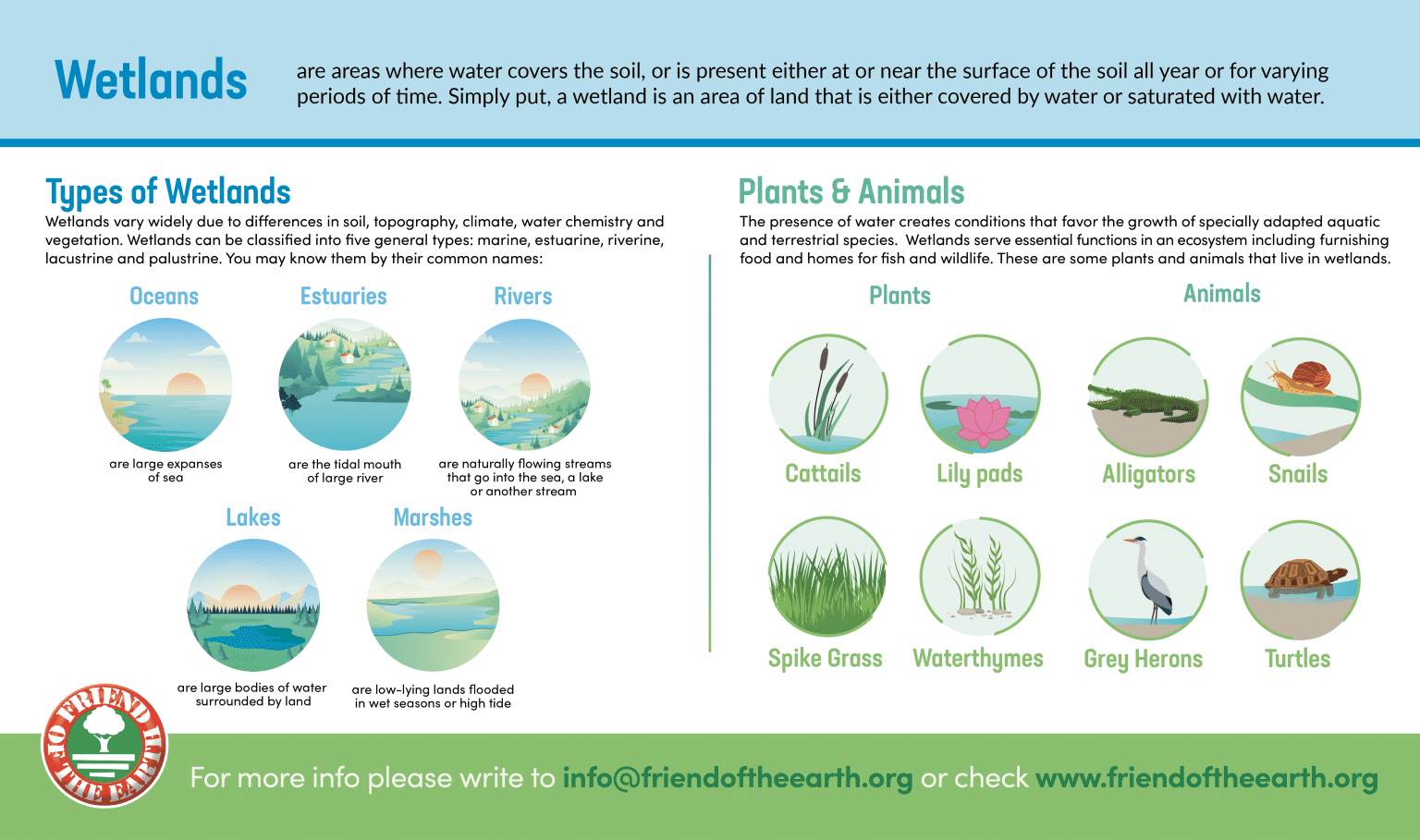
Wetlands are habitats where water collects long enough for aquatic plants and animals to thrive. These areas are crucial for conserving a diverse range of species, many of which are endangered, and they also support local economies and communities. Globally, wetlands cover over 12.1 million km2, with Asia, North America, and Latin America hosting the largest areas. However, these vital ecosystems face threats from various human activities and require conservation efforts to protect their biodiversity and ecological functions.
The problem
About half of the world’s wetlands have vanished due to unsustainable practices like agriculture and urbanisation. The Ramsar Convention, established in 1971, has helped 144 nations protect remaining wetlands. Species dependent on wetlands are declining, and many are at risk. Global water quality is worsening. Due to limited inventories, changes in wetlands can’t be tracked well. Despite covering less than 9% of the Earth’s land, wetlands provide essential services vital for human survival. However, contaminants like pharmaceuticals and industrial chemicals are a growing concern, often found at higher-than-expected levels.
Possible solutions
Effective policy and management for wise use need a good understanding of the drivers of change in wetlands so that the root causes of wetland loss and degradation can be addressed.
Responses must address many challenges simultaneously.
Enhancing the network of Ramsar Sites, and of other protected and conserved areas, ensures a conservation framework.
Other tools are also needed: legal and policy instruments, economic and financial incentives and sustainable production. Capacity building and encouraging diverse perspectives are both critical to success. Knowledge is key, both improving current inventories and research but, critically, also getting better at communicating this to the wider public. Investment is essential, from governments and others, recognizing the role that wetlands play as natural infrastructure.
WSF’s Activities and Initiatives
Eco-labels such as Friend of the Sea and Friend of the Earth, along with certifications, promote behaviours that benefit wetland conservation. Consumers choosing Sustainably produced goods create a market incentive. The World Sustainability Foundation (WSF) leads efforts for wetland conservation and Sustainable development.
WSF’s Friend of the Earth project supports the Mediterranean Wetlands Initiative (MedWet), conserving Mediterranean wetlands and promoting Sustainable use. WSF also launched a Change.org campaign to identify more wetlands deserving Ramsar recognition and protection.
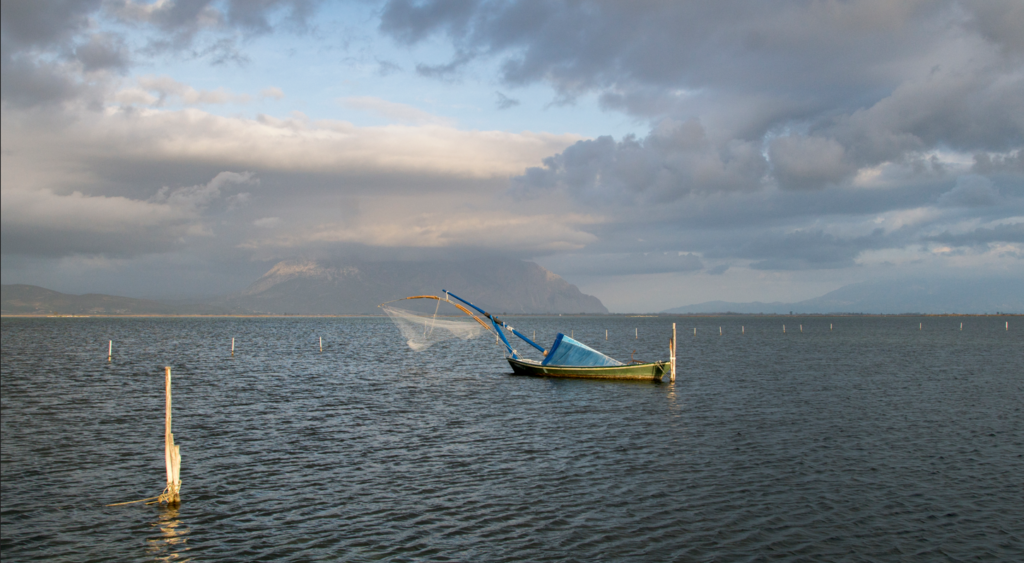
Collaborating with local partners like MedINA, WSF organises field trips for students to Ramsar sites like the Messolonghi-Aitoliko Lagoons in Greece. These lagoons, including traditional fishing grounds and Greece’s largest Salt Lake, are commercially exploited.
The area includes significant habitats and endangered flora and fauna species. After the field trip, a small workshop will be organised at the school. The workshop will consist of three parts:
- A short film on the value of wetlands will be projected.
- A presentation on the benefits of wetlands and their role in people’s lives will be made
- A discussion will follow the film projection and the presentation during which the students will be asked to suggest ideas on ways the wetland environment could be protected more effectively.
Moreover, the students will be invited to draw a wetland scene during their next Arts class.
Call to action
- Choose Friend of the Sea and Friend of the Earth certified products to help save the wetlands
- Sign WSO campaign to include additional wetlands in Ramsar convention
- Support awareness initiatives to protect remaining wetlands from urbanisation, agriculture and pollution.