



Sustainable farming
Why is it necessary?
In the last 60 years, the increase in the world’s population and the consequent growth in demand for animal protein have led to an increase in the number of intensive farms with often a negative impact onthe environment and wildlife.
Environmental impact
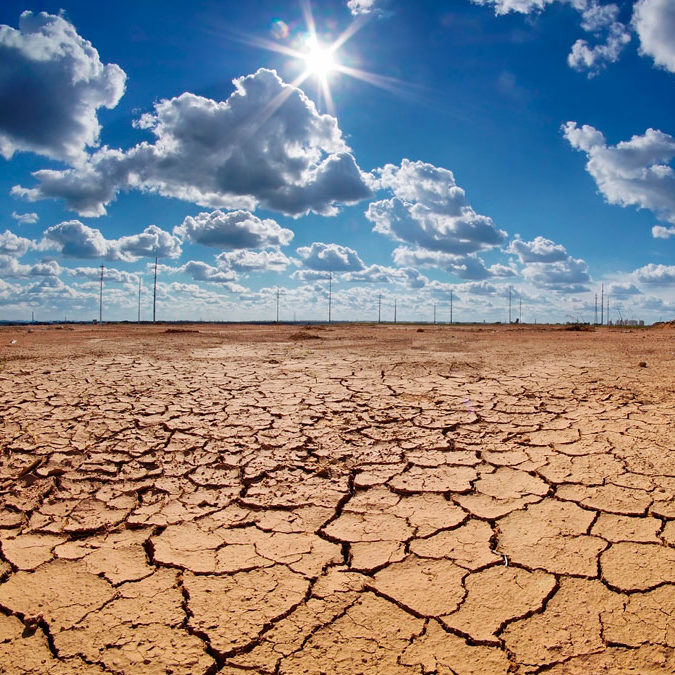
Intensive farming has potential environmental impacts. Bred animals emit greenhouse gases like methane. Improper management of their manure can lead to soil and water pollution. eed production can in turn contribute to soil degradation, pollution and, greenhouse gas emissions.
Impact on the living conditions of animals
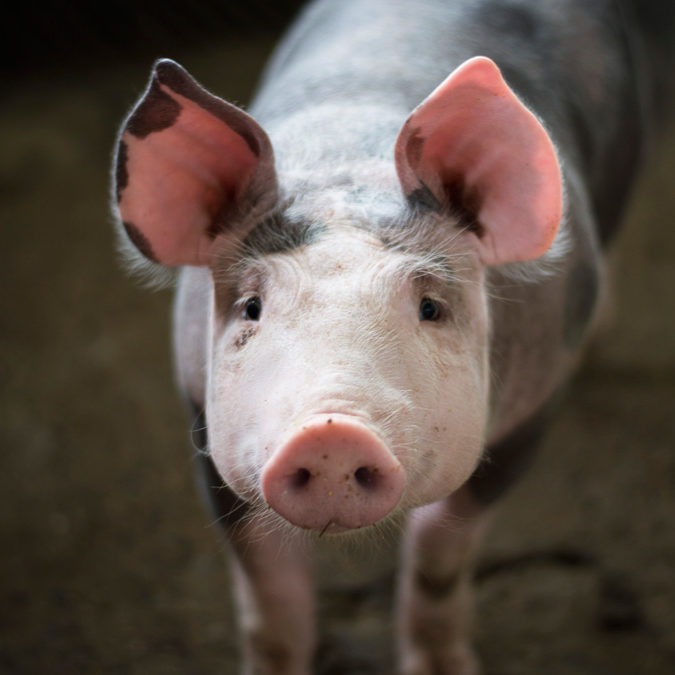
Animals’ farming can potentially, result in low animal welfare. Public outcry has prompted lawmakers to enact species-specific to animal welfare regulations. However, significant progress is still needed in this regard. This is why a third-party certification can boost the change and motivate producers to improve animal welfare.
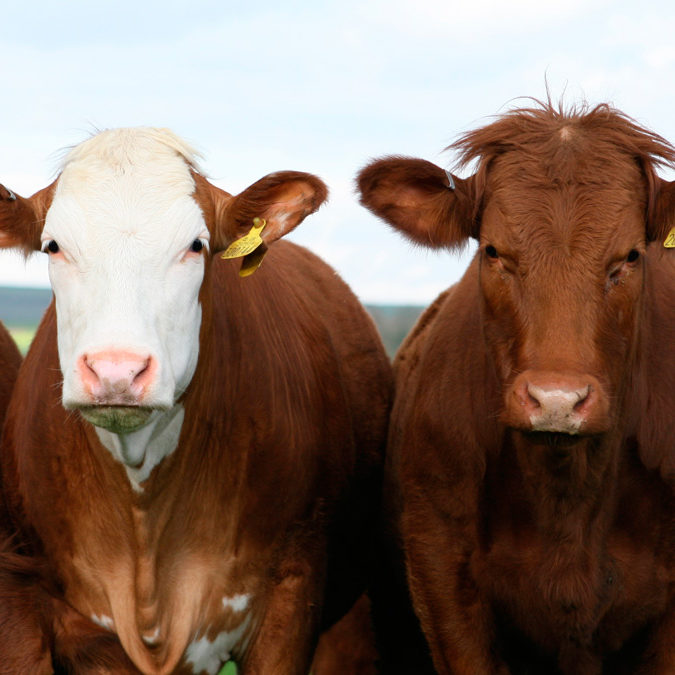
Loss of genetic heritage
The rise of intensive farms has led some operators to abandon indigenous breeds in favour of genetically selected, widely used breeds, resulting in a rapid decline in livestock genetic diversity and the extinction of entire breeds or populations. Therefore, a necessary shift towards innovative and authentic animal breeding practices that prioritise animal welfare and environmental Sustainability is imperative.
Sustainable Farming – What Is It?
Friend of the Earth advocates for Sustainable breeding, aiming to enhance symbiosis with the environment. This involves preserving resilient indigenous breeds, promoting outdoor and extensive breeding, and minimising antibiotic and pharmaceutical use. These actions align with certification requirements to foster a more harmonious relationship between animals, nature, and the environment.
Basic principles of Friend of the Earth
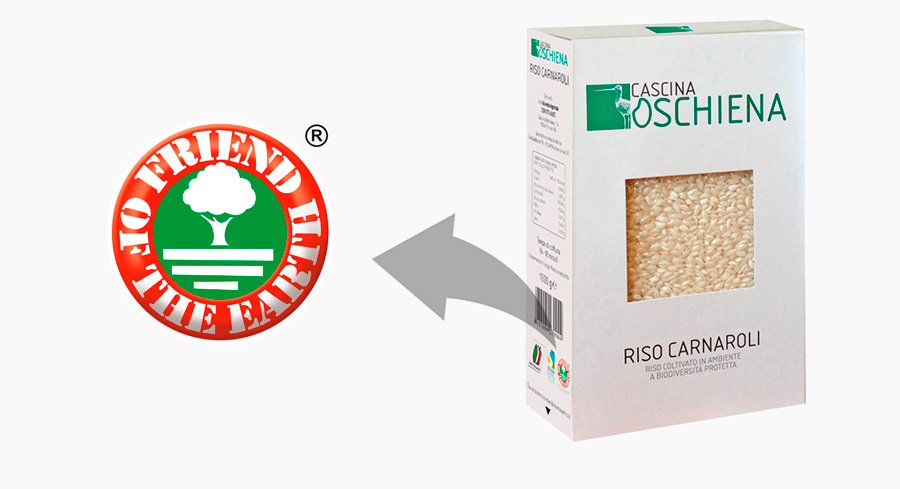
The Friend of the Earth certification standardfor Sustainable Agriculture was developed according to the SAFA (Sustainability Assessment of Food and Agriculture systems) guidelines set by the FAO (United Nations Food and Agriculture Organization) and it is based on 6 basic principles:
1. Preservation and conservation of livestock biodiversity and genetic heritage to foster a close link between animals and territory.
2. Enhancement of closed-cycle breeding and feed production in accordance with the REG. EU 848/2018 principles on organic breeding to ensure the absence or drastic reduction of the use of chemical products.
3. Propensity towards forms of extensive breeding, outdoors or, if intensive, with a considerable reduction in load density with respect to the minimum legal limits
4. Recovery and enhancement of animal manure and all output for the production of fertilisers and renewable energy (biogas).
5. Respect for the principles of animal welfare in order to guarantee animals optimal conditions of housing, feeding and handling, indispensable for the animals’ health and for the quality of the product.
6. Social responsibility to guarantee minimum rights to all operators.
Help the environment by choosing Friend of the Earth Sustainable certified products

If you think the Friend of the Earth logo has been used incorrectly, please let us know by writing to: marketing@friendofthesea.org
Please give us as much information as possible about the product; information provided will be processed respecting confidentiality.
