
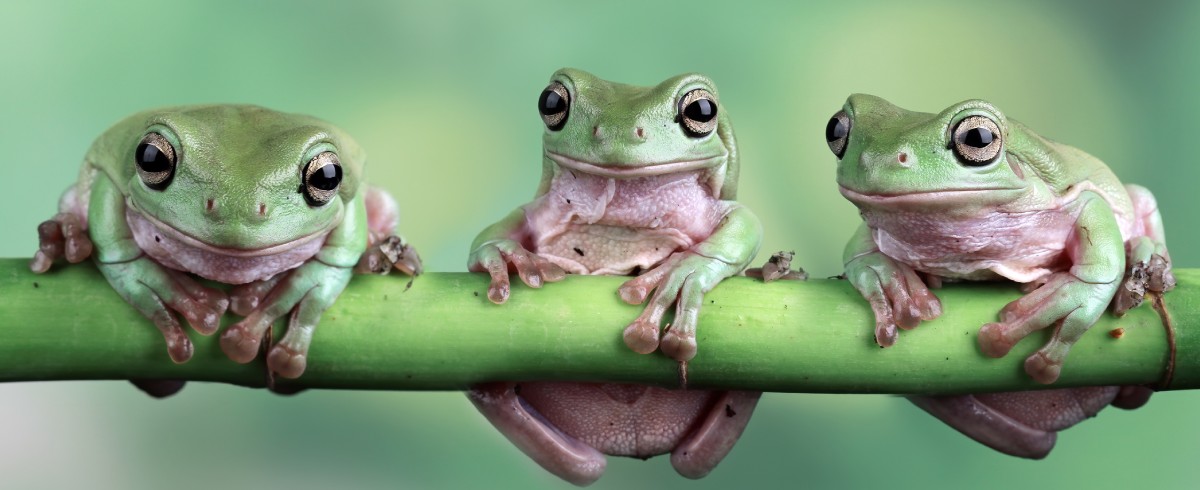

Save the frogs campaign
Your Support is important
Sign Our Petition!
Frogs, amphibians, lay eggs in water. Tadpoles have tails and gills, then develop lungs for land and water. Mucus-covered skin keeps them moist and protected. Frog populations reflect ecosystem health, thriving in tropics and subtropics, especially in tropical rainforests.
The problem
Unsustainable agriculture and aquaculture, along with resource exploitation like hunting and logging, are major threats to global frog populations. Human activities such as industrialization, urbanisation, tourism, and mining also harm frog habitats. Additionally, invasive species and pathogens like the chytrid fungus pose significant risks.
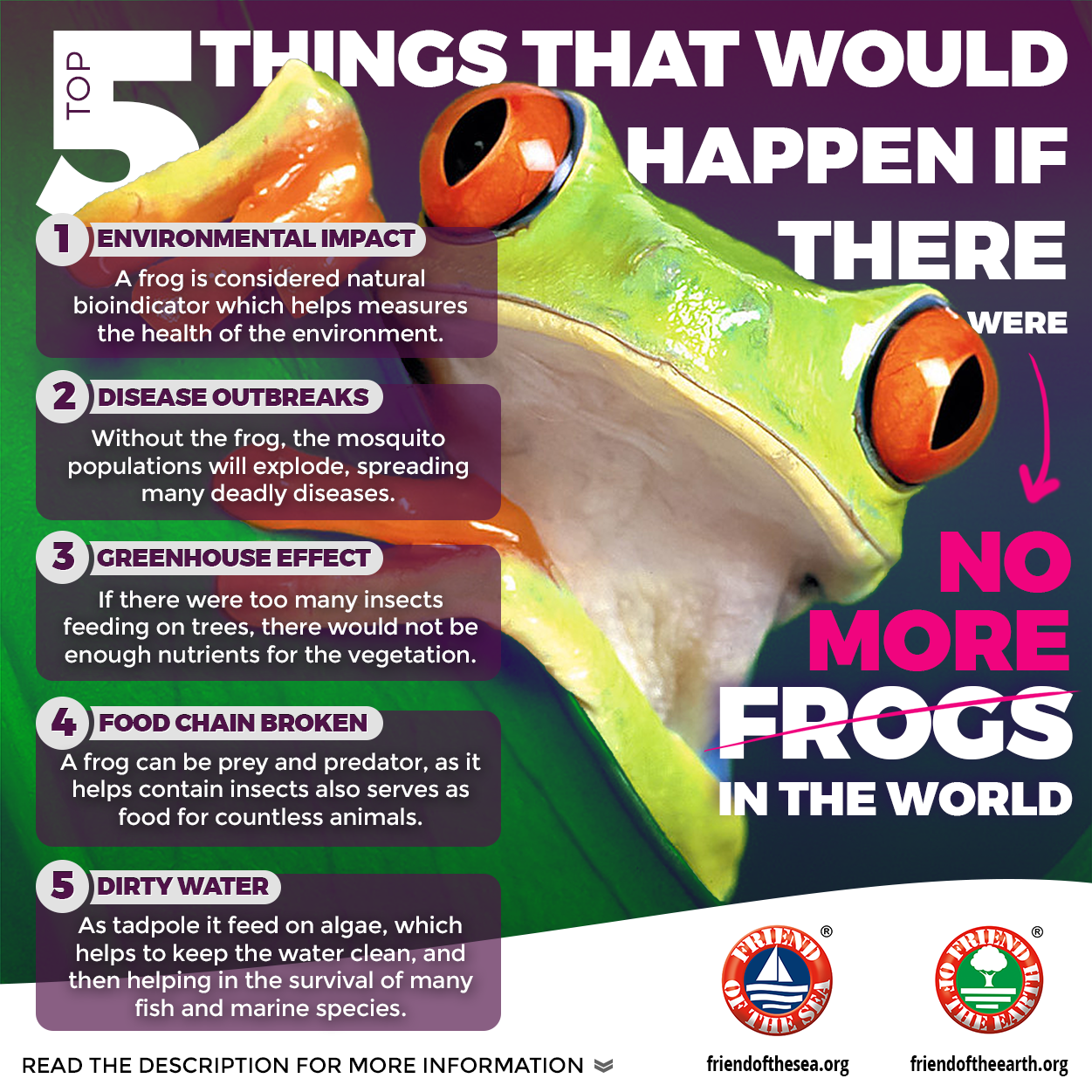
Enviromental consequences
According to IUCN, there are 6343 frog species worldwide. Among them, 42% are terrestrial, 29.2% aquatic, and 28.8% amphibian. 2562 species are declining, with South America (905 species), South/Southeast Asia (573), and Sub-Saharan Africa (482) most affected. Colombia, Madagascar, and Ecuador have 317, 241, and 220 declining species respectively. Brazil, China, Indonesia, Peru, Malaysia, Mexico, India, and Vietnam are also notable.
8.6% and 14% of frog species are critically endangered and endangered, with 9.5% vulnerable. Colombia, Mexico, Ecuador, and Haiti have the most critically endangered species (72, 26, 43, and 31 respectively). 0.5% of species are extinct, including 18 from Sri Lanka.
Possible Solutions
To save critically endangered and endangered frog species, we must ensure their natural breeding and propagation by conserving their habitats. Eco-friendly policies in industrialization, urbanisation, and farming are crucial. Habitat restoration in national parks and wildlife sanctuaries is essential.
Control measures against pathogenic diseases and invasive species are crucial. Ex-situ conservation like captive breeding and genome resource banks can aid frog growth. For instance, spotted tree frogs were saved from extinction through captive breeding by scientists in Melbourne.
CITES regulates trade in endangered species and needs proper implementation, especially as frogs are consumed as food in many areas. Additional national and local laws are necessary. Raising awareness through education and engagement with stakeholders is vital to reduce threats to frog populations.
WSF’s Activities and Initiatives
Pro Carnivoros is a non-profit association dedicated to the preservation of carnivorous animals and their environments. Using research as a tool for knowledge socialisation in the community, we promote Sustainable development within our sphere of influence, which includes our projects. Making the importance of carnivorous animals within the ecosystem known, to conserve their habitats and value the ecosystem services they provide.

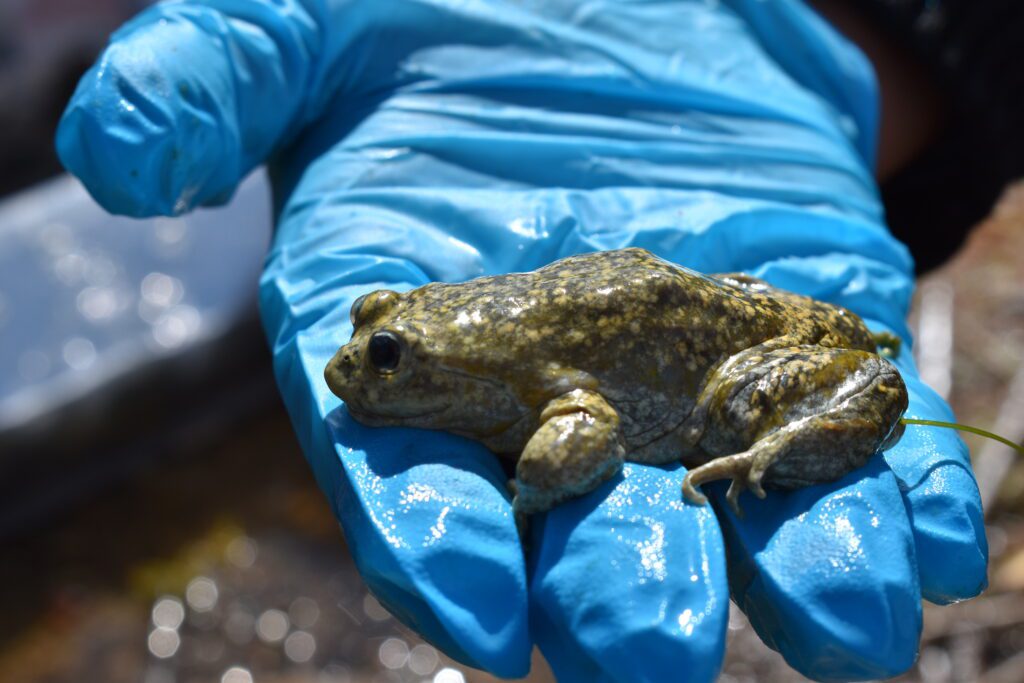
The WSF-Friend of the Earth funds the Pro Carnivoros by purchasing the materials required to continue the investigation into the Titicaca frog (steamer, boots, gloves, snorkelling equipment, digital calliper, etc.).
Call to action
- Choose Friend of the Sea or Friend of the Earth certified products and services.
- Sign Friend of the Sea and Friend of the Earth Change.org petition
- Choose leaders of parliament who care about environmental sustainability such as saving threatened frog species and are willing to intervene by introducing relevant legislation. Authorities at the National Park Laguna Blanca undertook an action plan to control invasive fishes at the White lagoon in 2007 to protect the population of Patagonia frogs, an endemic species to north-western Argentina. Similar models need to be promoted elsewhere.
- Promote the establishment of captive breeding and national parks where there is none yet.
- Fund conservation initiatives by biologists, evolutionists, pathologists who work on frogs.