

Save the pangolins

The problem
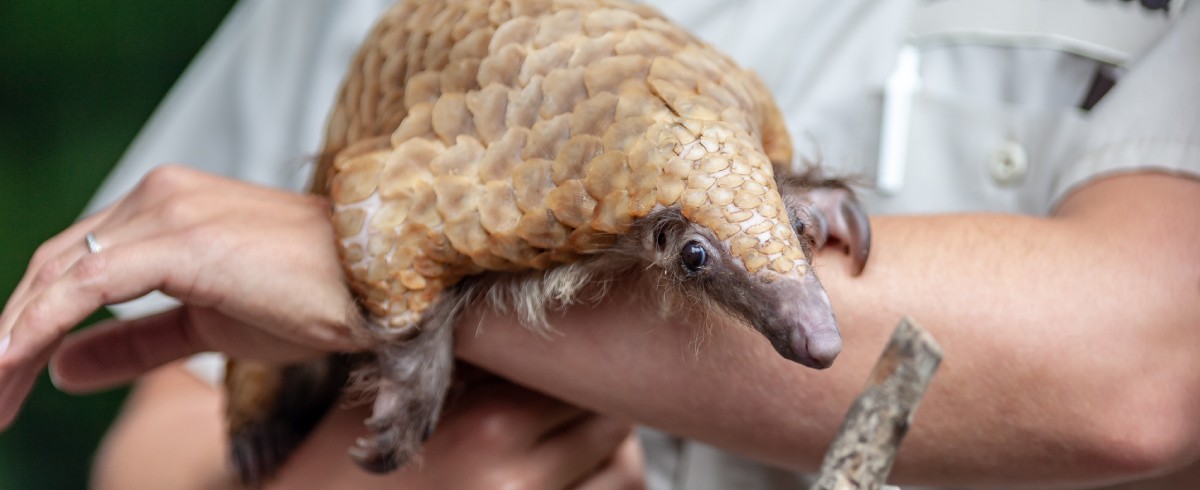
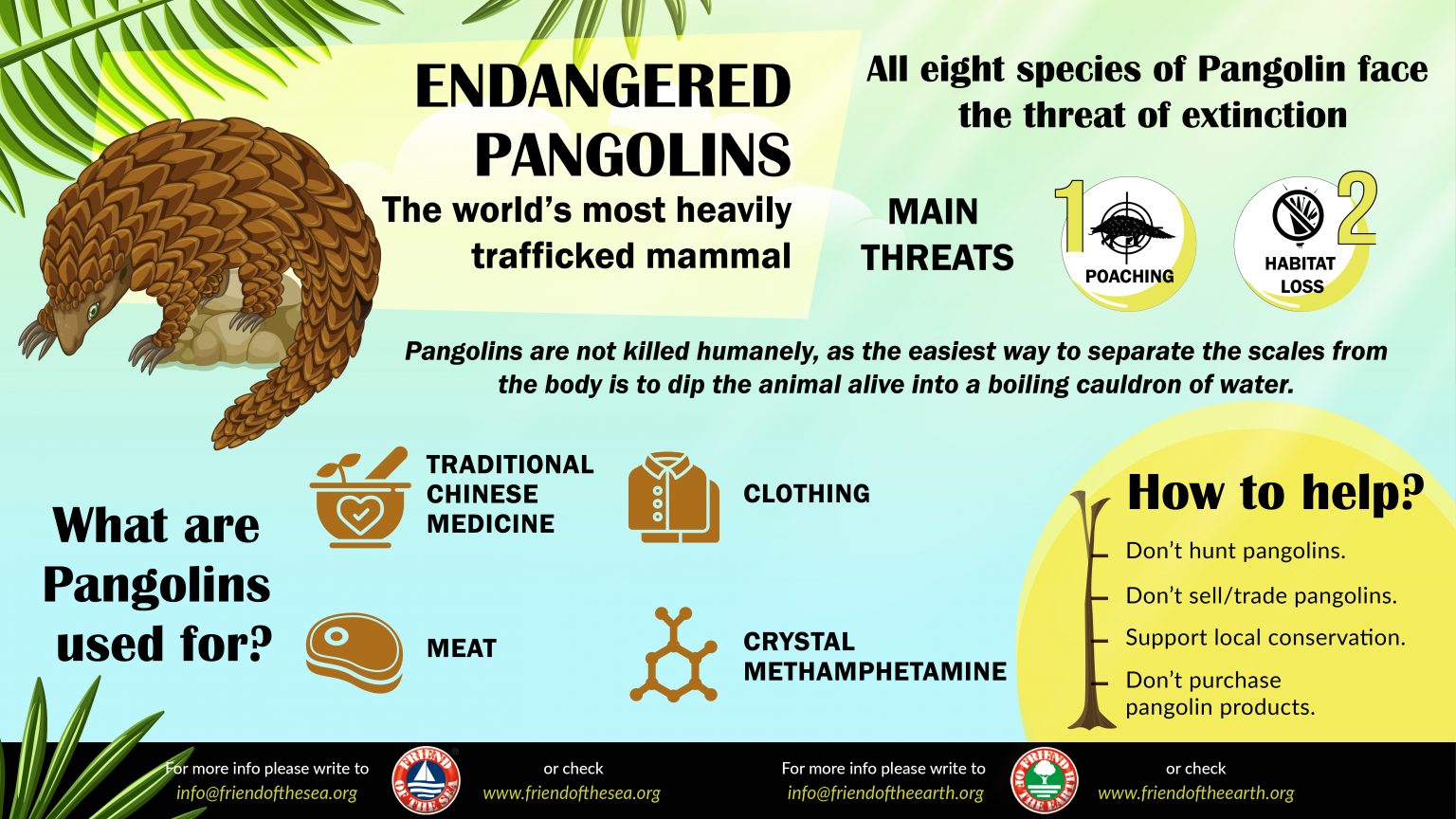
Pangolins, the only mammals covered in scales, are highly sought after for their meat and scales in China and Vietnam despite being poached illegally. Weak enforcement of international laws, lack of political will and funding, and low community engagement hinder pangolin conservation efforts. Habitat loss, mainly from deforestation in Asia and Africa, exacerbates the threat to pangolin populations.
Enviromental consequences
Nearly one-third of bats are threatened, with 23 species critically endangered, 84 endangered, and 110 vulnerable. The Lamotte’s Roundleaf Bat, with only six individuals remaining in 2004, faces threats from hunters and miners on Nimba mountain. Bats’ slow reproduction rate exacerbates the challenge of population recovery after crashes.
Bats play a crucial environmental role worldwide, aiding in seed dispersal, pollination, and maintaining plant diversity in tropical and desert ecosystems. Fruit-eating bats support local economies by enabling fruit production, especially in damaged rainforests where they excel in habitat restoration. Their droppings also serve as effective fertiliser.
Insectivorous bats are vital for controlling insect pests, potentially saving over $3.7 billion annually in crop damage and pesticide use in the US alone. Given their global presence and ecological importance, the extinction of bat species could have irreversible impacts on ecosystems worldwide.
Possible Solutions
Pangolins have gained global recognition as a conservation symbol, prompting increased resources and attention toward their protection.
Efforts focus on enhancing understanding of pangolin ecology and behaviour, despite their elusive nature. Surveys aim to determine population distribution and ranges, along with ecosystem manipulation strategies to ensure their survival.
Educational programmes raise awareness among local communities, while ranger training targets poaching in high-risk areas. Rescue centres are also prioritised, equipped to rehabilitate seized pangolins from illegal traders.
WSF’s Activities and Initiatives
The World Sustainability Foundation’s Friend of the Earth project supports Save Vietnam’s Wildlife, a national non-profit focusing on pangolin conservation in Vietnam.
Thousands of animals are illegally traded in Vietnam annually for various purposes. Save Vietnam’s Wildlife rescues and rehabilitates these animals, aiming to reduce threats to wild populations. Media coverage of their work helps raise awareness about the impacts of the illegal wildlife trade.
By raising funds and awareness, we assist Save Vietnam’s Wildlife in feeding 9 pangolins at their rescue centre for a month. Join us in supporting their crucial conservation efforts.
Friend of the Earth projects have also been mentioned on BBC, main TV channels in Nigeria and other media, raising awareness about the plague of the illegal trade.
Call to action
- Help to halt the dramatic decline of these unique mammals by sharing their story.
- Use social media to tell the world that it is not OK to consume pangolin meat – these animals need our help.
- Sign Friend of the Earth petition to ask pharmaceutical companies to stop trading pangolin’s parts.
- Make a donation to support pangolins and raise awareness.